
How to Help Prevent Recurring Drain Clogs
How to Help Prevent Recurring Drain Clogs
The cheapest drain clog is the one that never happens. While no home is completely clog-proof, a handful of honest habits prevent the large majority of blockages. Here’s what actually works — and a few popular “tips” that don’t.
What Actually Works
1. Use Drain Strainers Everywhere
This is the single highest-impact habit. Inexpensive mesh strainers in kitchen sinks, tubs, and showers catch hair, food particles, and debris before they enter your pipes. Empty them into the trash regularly — a full strainer just becomes part of the problem. If you do nothing else on this list, do this.
2. Keep Grease Out of the Kitchen Drain
Pour cooled cooking grease into a disposable container and throw it in the trash — or save it in a jar under the sink until it’s full. Wipe greasy pans with a paper towel before washing. This one habit prevents the most common and most stubborn type of kitchen line buildup. No exceptions, no “just a little” — grease is grease.
3. Be Strict About What Goes in the Toilet
Only human waste and toilet paper. Not “flushable” wipes (most don’t break down adequately in residential plumbing), not cotton balls or swabs, not dental floss, not feminine hygiene products, not paper towels. Every non-dissolving item is a future clog waiting to accumulate companions.
4. Run Water Thoughtfully
After using the garbage disposal, run cold water for 15–20 seconds to flush ground particles fully through the line. In the bathroom, an occasional full hot-water flush of sinks and tubs helps move along soap residue before it hardens. These are small habits, not cures — but they slow buildup meaningfully.
5. Clean Stoppers and Strainers Regularly
Pop-up stoppers in bathroom sinks collect a revolting (and clog-forming) collar of hair and soap scum. Pull them out monthly and clean them — it takes two minutes and prevents the slow accumulation that eventually blocks the drain. Same for shower drain covers.
6. Know Where Your Sewer Cleanout Is
Your sewer cleanout is the capped pipe — usually outside near the house or in a garage — that gives direct access to your main sewer line. Knowing its location before an emergency saves time and can reduce the cost of a service visit, since the technician won’t need to pull a toilet for access. If you can’t find yours, ask a plumber to locate it during your next visit.
7. Address Slow Drains Early
A drain that’s getting slower is telling you something. Early attention — a plunger, a cleaned strainer, removing a hair mass — often resolves it. Waiting until it’s fully blocked turns a five-minute fix into a service call. Pay attention to the early signs. Signs Your Drain May Have a Serious Blockage
What Doesn’t Work (Despite What You’ve Heard)
Chemical Drain Cleaners
They’re marketed as prevention, but regular use of caustic cleaners damages pipes over time, and they don’t prevent the mechanical buildup (hair, grease, roots) that causes most clogs. Skip them.
“Flushable” Wipes and Additives
No wipe is as safe as the marketing claims for residential pipes, and most in-tank or in-drain chemical additives do little against real buildup. Save your money.
Boiling Water as a Cure-All
Pouring boiling water down the drain is often recommended for grease clogs. It can soften a fresh, minor grease deposit near the drain opening — but it can also damage PVC pipes and wax toilet seals, and it does nothing for buildup deeper in the line. Lukewarm-to-hot tap water is fine; a kettle of boiling water is unnecessary risk.
Enzyme Cleaners as a Guarantee
Enzyme/bacterial drain treatments are gentler than caustic chemicals and can help maintain a clear line, but they’re maintenance aids, not clog removers. They won’t clear an existing blockage or fix root intrusion. Honest verdict: harmless to try on a healthy drain, not a solution for a problem drain.
For Homes with a History of Clogs
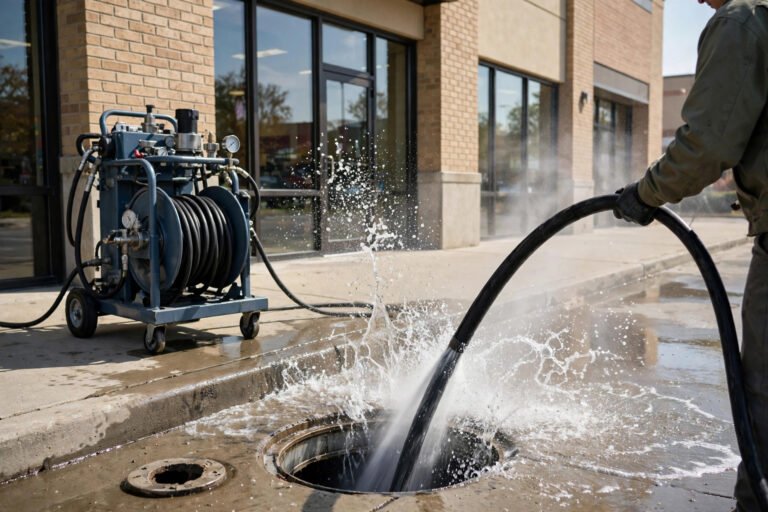
If your home has a line that clogs repeatedly despite good habits — an older kitchen line, a sewer lateral with root intrusion, a bathroom shared by a large family — talk to a professional about preventive maintenance. Depending on the cause, periodic professional cleaning (once a year or so) can be far cheaper than emergency calls. A camera inspection first ensures the maintenance actually targets the real issue. Why Does the Same Drain Keep Clogging?
A Monthly 5-Minute Drain Routine
Prevention works best as a habit, not a project. Once a month, spend five minutes on this:
- Pull and clean pop-up stoppers in bathroom sinks — remove the hair-and-soap collar before it becomes a clog.
- Flush each drain with hot tap water for 30 seconds — not boiling, just hot — to move along fresh soap and grease residue.
- Check strainers in the kitchen sink, tub, and shower — clean or replace as needed.
- Look and listen. Run water in each fixture and watch the drain speed. Note any new gurgling or odors. Catching a change early is the whole game.
That’s it. Five minutes, once a month, prevents the slow accumulation that turns into most clogs.
For Landlords and Property Managers
Rental properties clog more often — more users, less accountability for what goes down drains, and tenants who may not report a slow drain until it’s fully blocked. If you manage Newark rentals:
- Provide mesh strainers in every unit at move-in (and replacements on request).
- Include a one-page “what not to put down drains” sheet in the welcome packet — it prevents an outsized share of tenant-caused clogs.
- Respond to “slow drain” reports promptly; a $0 tenant report today beats an emergency call later.
- For buildings with recurring main-line issues, scheduled preventive cleaning is a predictable operating expense that beats unpredictable emergencies.
The Honest Bottom Line
Good habits prevent most clogs. They won’t prevent all of them — pipes age, roots grow, and buildup accumulates over decades. When prevention isn’t enough, professional equipment and diagnosis resolve what habits can’t.
Newark, CA Drain Service
Questions about your drains, or dealing with a clog that keeps coming back? Drain Snaking Newark is available 24/7. Call (510) 555-0142 or request service online. For general questions, our FAQ page covers the most common ones.